

Embarkation Day: What to Expect When You Board Your Cruise
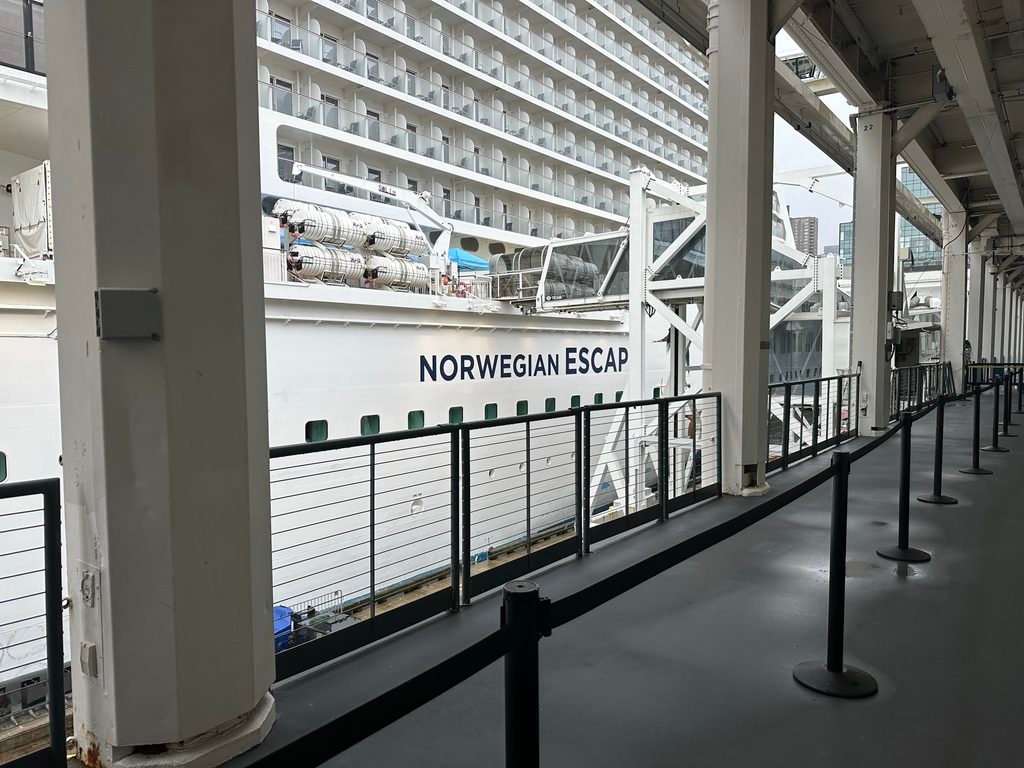
There’s something exciting about that first glimpse of your cruise ship waiting at the pier. Your bags are packed, your adventure is about to begin, and somewhere beyond the horizon, new experiences are waiting.
For many travelers, embarkation day is one of the most exciting parts of a cruise vacation. After weeks or months of planning, the day has finally arrived. You’re about to step aboard a beautiful ship that will become your home away from home as you travel from one destination to another.
But if you’ve never cruised before, you might also be wondering what happens between arriving at the port and actually settling into your stateroom.
Where do you take your luggage? What documents will you need? How long does boarding take? And what should you do once you’re finally onboard?
The good news is that embarkation day is usually a fairly straightforward process when you know what to expect. With a little preparation and a few helpful tips, you can spend less time worrying about the details and more time enjoying the beginning of your vacation.
Let’s walk through what your first day at sea might look like.
Before You Leave Home: A Little Preparation Goes a Long Way
A smooth embarkation day actually begins before you arrive at the cruise terminal.
Most cruise lines offer online check-in before your sailing date. During this process, you may be asked to confirm personal information, provide travel document details, upload a photograph, complete required questionnaires, and select or receive a terminal arrival time.
The exact requirements and check-in windows vary by cruise line, so it’s important to follow the instructions provided for your particular sailing.
You’ll also want to review your travel documents carefully. Depending on your itinerary, citizenship, and cruise line, you may need a passport, visa, or other acceptable identification and citizenship documents.
Don’t assume that every cruise has the same documentation requirements. Even cruises departing from and returning to the same U.S. port can have different requirements depending on the itinerary and your circumstances.
Before leaving home, make sure you have your boarding information, required identification, luggage tags, and any other documents requested by your cruise line.
I also recommend keeping important documents together in a small travel organizer or carry-on bag so they’re easy to access when you arrive at the terminal.
Arriving at the Cruise Port
One of the most memorable moments of embarkation day is seeing your ship for the first time.
Even if you’ve seen photographs and videos, there’s something impressive about standing near the terminal and looking up at the ship that’s about to take you on your next adventure.
Cruise ports can be busy places, especially when several ships are departing on the same day. Depending on the port, you’ll encounter vehicle drop-off areas, parking facilities, luggage collection points, and designated terminal entrances.
If you’re driving, research your parking options ahead of time. Some ports offer convenient parking near the terminals, while others have garages or lots that require additional transportation.
If you’re flying to your departure city, I strongly recommend arriving at least one day before your cruise whenever possible. Flight delays, cancellations, and unexpected travel disruptions can happen, and arriving early gives you a little breathing room before your vacation begins.
Remember to follow the arrival time assigned or recommended by your cruise line. Arriving significantly earlier doesn’t necessarily mean you’ll board sooner, and some terminals may not allow passengers to enter before their scheduled time.
What Happens to Your Luggage?
When you arrive at the cruise terminal, you’ll usually have the option to hand your larger suitcases to porters or designated luggage handlers.
Before arriving, attach the luggage tags provided or specified by your cruise line. These tags help direct your bags to the correct stateroom.
Once your luggage is accepted, it will go through the ship’s luggage-handling process and typically be delivered to your cabin later in the day.
This means you may not see your larger bags again for several hours.
That’s why packing a small carry-on bag is one of the most useful things you can do.
What to Keep in Your Carry-On
I recommend keeping these essentials with you rather than placing them in your checked luggage:
- Passport or other required travel documents
- Cruise boarding information
- Wallet, credit cards, and identification
- Prescription medications in their original labeled containers when practical
- Glasses, contacts, and personal essentials
- Phone and charging accessories
- Sunscreen and sunglasses
- A swimsuit or change of clothes
- Any valuables or fragile items
You’ll also want to review your cruise line’s prohibited-items policy before packing. Certain appliances, electrical devices, and other items may not be permitted onboard.
Having your essentials nearby makes it much easier to enjoy your first few hours on the ship while waiting for your luggage to arrive.
Checking In at the Cruise Terminal
After dropping off your luggage, you’ll proceed into the cruise terminal for check-in and security screening.
The exact process varies by cruise line and departure port, but you’ll generally have your boarding documents and identification reviewed, pass through a security checkpoint, and complete any remaining check-in requirements.
Some cruise lines use mobile apps and digital boarding passes, while others may issue physical boarding documents or identification cards during the process.
You may also have your photograph taken if it wasn’t completed during online check-in.
During busy periods, there may be lines, so it’s helpful to allow extra time and approach the experience with a little patience.
Once you’ve completed check-in, you’ll either proceed toward the ship or wait until your boarding group is called.
And then comes the moment you’ve been waiting for.
It’s time to board!
Stepping Aboard: Let the Vacation Begin
There’s something wonderful about crossing the gangway and stepping onto a cruise ship for the first time.
Depending on the ship, you may enter through a beautiful atrium, a bustling promenade, or another welcoming area filled with activity.
Crew members are often available to help direct passengers and answer questions. You’ll begin seeing restaurants, lounges, shops, and other spaces that you’ll have plenty of time to explore during your voyage.
It’s tempting to start wandering immediately, and that’s part of the fun. But before you get too carried away, there are a few important things to take care of.
First Things First: Complete Your Muster Requirements
One of the most important things you’ll need to do after boarding is complete your ship’s mandatory safety procedures.
Every passenger must participate in the required safety instruction and muster process.
Some cruise lines use an electronic system that allows passengers to review safety information through an app or stateroom television and then visit an assigned muster station. Others may conduct traditional in-person safety briefings.
Regardless of the method, follow the instructions provided by your cruise line and complete the requirements within the designated time.
You’ll learn important information about emergency procedures, life jackets, and where to report if an emergency occurs.
It may not be the most exciting part of your vacation, but it’s an essential step that helps keep everyone safe.
Once you’ve completed your safety requirements, you can turn your attention to enjoying the ship.
Your Stateroom May Not Be Ready Just Yet
One thing that surprises some first-time cruisers is that boarding the ship doesn’t necessarily mean you can immediately access your cabin.
Stateroom attendants need time to prepare the accommodations after the previous guests have disembarked.
Depending on your cruise line, ship, boarding time, and cabin category, your stateroom may not be available until later in the afternoon.
This is another reason to keep your carry-on bag manageable. You may need to carry it with you while exploring the ship.
Once your cabin is ready, take a few minutes to get familiar with the space.
Locate the outlets, storage areas, safe, thermostat, and bathroom amenities. Review the safety information and check that everything is in good working order.
When your luggage arrives, you can unpack and settle in.
Personally, I think unpacking is one of the little things that makes cruising especially enjoyable. Unlike a vacation where you’re moving between several hotels, you can put your belongings away once and let the ship carry you from destination to destination.
Enjoy Your First Lunch Onboard
After traveling to the port, checking in, and boarding the ship, there’s a good chance you’ll be ready for something to eat.
Fortunately, many cruise ships offer complimentary dining options on embarkation day.
The buffet is a popular choice, but depending on your ship, you may also find a casual café, poolside grill, or another restaurant serving lunch.
Not every dining venue will be open immediately, and some specialty restaurants charge an additional fee, so check the ship’s app or daily schedule for available options.
Embarkation day is also a wonderful opportunity to sit down, enjoy your first meal, and appreciate the fact that your vacation has officially begun.
Take Some Time to Explore Your Ship
Once you’ve had lunch and completed your safety requirements, consider spending a little time exploring.
Cruise ships can be surprisingly large, and it helps to get familiar with the layout before the evening activities begin.
Find the main dining room, theater, pool deck, guest services desk, and any lounges or restaurants you’re interested in visiting.
You might also want to locate the spa, fitness center, observation areas, or quieter outdoor spaces where you can enjoy the ocean views.
Most cruise lines provide deck plans through their mobile apps, interactive displays, or printed materials.
If you’re traveling with family or friends, this is a good time to identify convenient meeting places.
You don’t have to discover everything on your first afternoon. Part of the fun of cruising is finding new favorite places as the voyage unfolds.
Check Your Dining and Activity Reservations
Depending on your cruise line and the type of vacation you’ve booked, you may have dining reservations, entertainment reservations, or other activities to confirm.
Some cruise lines allow guests to make these arrangements before sailing, while others offer additional reservation opportunities once onboard.
If there’s a particular restaurant, show, or experience you’re excited about, check your reservations early.
You may also want to review the ship’s daily schedule to see what’s happening that evening.
Embarkation day often includes welcome activities, live music, entertainment, and opportunities to begin exploring everything the ship has to offer.
Don’t Forget About Your Phone
Before the ship leaves port, take a few minutes to review your phone settings.
Cruise ships may use maritime cellular networks once they’re at sea, and connecting through these networks can result in expensive roaming charges.
Many travelers choose to enable airplane mode and then turn Wi-Fi back on to connect to the ship’s onboard network.
Depending on your cruise line, you may be able to use its mobile app for schedules, reservations, messaging, and other onboard services without purchasing a full internet package.
However, access and features vary, so review the options available for your sailing.
It’s a small detail that’s easy to overlook in the excitement of boarding, but it can help prevent an unpleasant surprise when your phone bill arrives.
Sailaway: One of the Best Moments of the Day
And finally, there’s sailaway.
After the activity of checking in, boarding, exploring, and settling into your cabin, the moment arrives when your ship begins to leave the port.
For me, this is one of the experiences that captures the excitement of cruising.
There’s something special about standing on an open deck, watching the shoreline slowly move farther away, and realizing that the adventure you’ve been planning is finally underway.
Some travelers gather on the upper decks to enjoy music and sailaway celebrations. Others prefer a quieter location where they can watch the scenery and take photographs.
If your ship is departing from a scenic port, you may be treated to beautiful views as you make your way toward the open sea.
It’s a wonderful time to put the phone down for a moment, breathe in the ocean air, and appreciate where you are.
Your vacation has officially begun.
A Few Final Tips for a Stress-Free Embarkation Day
If there’s one piece of advice I’d offer to someone preparing for their first cruise, it’s this: don’t feel like you have to do everything on the first day.
Embarkation day can be exciting and busy, especially when you’re exploring an unfamiliar ship.
Give yourself time to settle in, ask questions when you need help, and enjoy the experience.
A little advance planning can make the day much easier, but you don’t need to have every minute scheduled.
Remember to keep your important documents handy, follow your cruise line’s boarding instructions, complete your safety requirements, and allow yourself time to relax.
After all, you’re on vacation!
Before You Set Sail
Every cruise begins with a little anticipation.
There’s the excitement of arriving at the port, the thrill of seeing your ship waiting at the pier, and that wonderful moment when you finally step aboard.
For first-time cruisers, embarkation day may feel unfamiliar, but it doesn’t have to be stressful. Knowing what to expect can help you approach the experience with confidence and enjoy every moment of the beginning of your journey.
And before you know it, you’ll be standing on deck, watching the shoreline disappear behind you, with nothing but open water and new adventures ahead.
Ready to Plan Your First Cruise?
At Next Port, Please, I enjoy helping travelers discover the excitement of cruising and feel confident about their vacation plans.
Whether you’re choosing your first cruise line, comparing itineraries, or wondering what to expect onboard, I’m happy to help you explore your options.
Your next adventure is waiting. Let’s find the perfect cruise for you.
Happy cruising!
Next Port, Please